Text and the city

What I found interesting about this week’s work was that I started questioning what are letterforms? Who came up with these shapes? Who came up with the shapes from other languages, and how far can those shapes be manipulated before they’re unrecognisable? This made me do some research of my own, and I found this pretty awesome New York Post article about where letterforms came from.

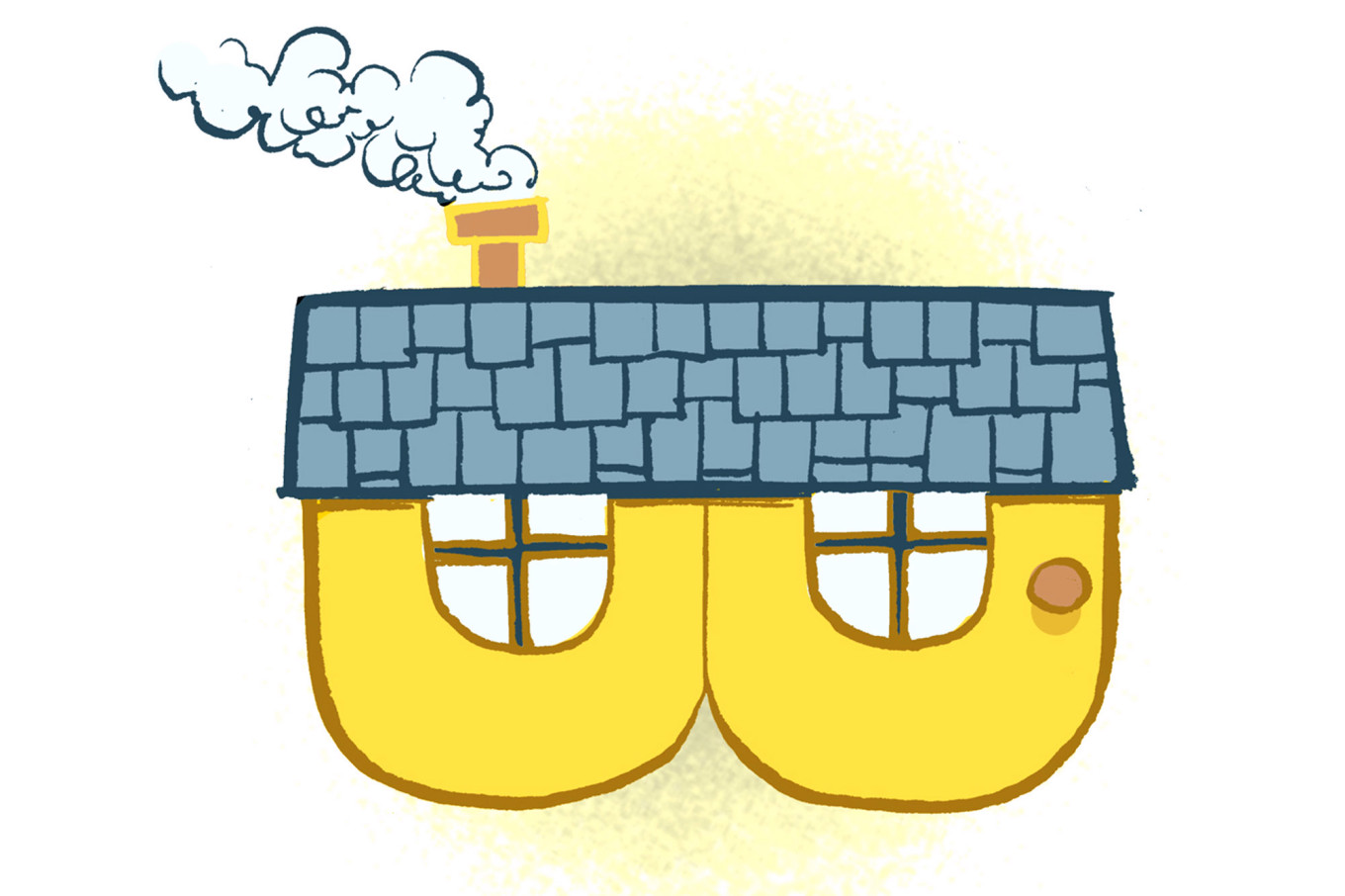

That made me think even more though about the evolution of letterforms. Obviously as humans and language & dialect changed so did letterforms. That makes me wonder – could letterforms as we know them today be fundamentally different in the future? For example, in the movie ‘idiocracy’ people all talk in jive or slang language – I wonder if letterforms would be adapted to suit the language of the people, or if we’ve gotten to the point where letterforms will be. I tried to find information online about the last time a letterform was changed, but kept coming up short.
Another thing I find interesting is that languages like Spanish and German don’t have their own unique letterforms – they have macrons, but not really any unique characters. I’d be very interested also in learning why that is, and also why they have macrons. Hopefully we’ll cover that at some point in class.
One thing I’d like to know about in class is how countries like Russia and Asia developed their own letterforms, and where the distinction lies between why they developed their own letterforms and the histories of them.
What I realised is I guess that’s almost what a typeface is about – expressing a form of language through a specific visual representation. Different fonts say different things, and help support the underlying text. As we explored in the text of the Trump wall, there’s different typefaces used for that, as opposed to a Maori typeface, for example. Typefaces allow for context


